3 min readBy TaDa! Accounting
Most business owners are comfortable glancing at their Profit and Loss statement. Revenue at the top, expenses below, a number at the bottom that tells you whether you made money. It's intuitive.
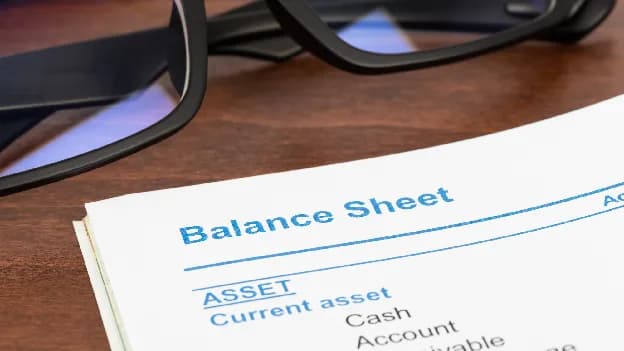
The Balance Sheet is a different story. It gets pulled up, skimmed quickly, and closed again without much thought, mostly because it doesn't tell a story the way a P&L does. But your Balance Sheet is one of the most useful documents in your business, and once you know what you're looking at, it's much less intimidating than it seems.
What a Balance Sheet Is Actually Showing You
While your P&L shows activity over a period of time, your Balance Sheet shows a snapshot of a single moment. It answers one core question: what does your business own, and what does it owe, as of today?
Everything on a Balance Sheet falls into one of three categories: assets, liabilities, and equity. Once you understand what belongs in each one, the rest starts to make a lot more sense.
Assets: What Your Business Owns
Assets are everything of value that belongs to your business. This includes obvious things like the cash in your bank accounts, but also money owed to you by customers (accounts receivable), equipment, inventory, and any property the business owns.
Assets are typically listed in order of liquidity, meaning how quickly they could be turned into cash. Cash comes first, followed by things like receivables and inventory, with longer-term assets like equipment or property listed further down.
Liabilities: What Your Business Owes
Liabilities are the flip side. This is everything your business owes to someone else: unpaid bills (accounts payable), credit card balances, loans, and any other outstanding debt.
Like assets, liabilities are usually organized by how soon they're due. Short-term obligations, like bills coming due this month, appear before longer-term debts like a multi-year loan.
Equity: What's Actually Yours
Equity represents what would be left over if you paid off every liability using every asset. It's often described as the owner's stake in the business, and it includes things like retained earnings (profit that's stayed in the business over time) and any capital you've personally invested.
A healthy, growing equity balance is generally a good sign. It means the business is building value over time, not just generating revenue that passes through and disappears.
The Equation That Holds It All Together
Every Balance Sheet follows the same basic formula: Assets equal Liabilities plus Equity. This is why it's called a Balance Sheet. The two sides always have to balance.
If they don't, it's a signal that something in the books needs attention, whether that's a data entry error, a missing transaction, or an account that hasn't been reconciled properly.
Why the Balance Sheet Deserves More Attention
A lot of the financial issues we uncover during a cleanup show up on the Balance Sheet before they show up anywhere else. An old loan balance that was never updated. A credit card that hasn't been reconciled in months. A negative balance in an account that should never go below zero.
Your P&L tells you how your business performed. Your Balance Sheet tells you how healthy your business actually is right now, and it often reveals issues that a P&L alone won't show.
What to Check When You Look at Yours
You don't need to become a financial expert to get value from your Balance Sheet. Start by checking whether your cash balance matches what you'd expect. Look at your accounts receivable and ask whether those amounts still seem collectible. Check any loan balances against your most recent statement. And take a moment to see whether your equity is trending in the direction you'd hope.
If any of these numbers seem off, or if you're not sure how to interpret what you're seeing, that's usually a sign worth looking into further, not something to skip past.
Turning the Balance Sheet Into a Tool, Not a Mystery
Once you understand the three categories and how they relate to each other, your Balance Sheet stops being an intimidating document and starts being genuinely useful. It's one of the clearest windows into the actual financial health of your business, not just its recent activity.
If your Balance Sheet has numbers on it that don't quite make sense, we're happy to walk through it with you and explain exactly what you're looking at.
- Bookkeeping Basics
- Financial Statements
- Financial Clarity
- Small Business Finance